
May 18, 2026
Agency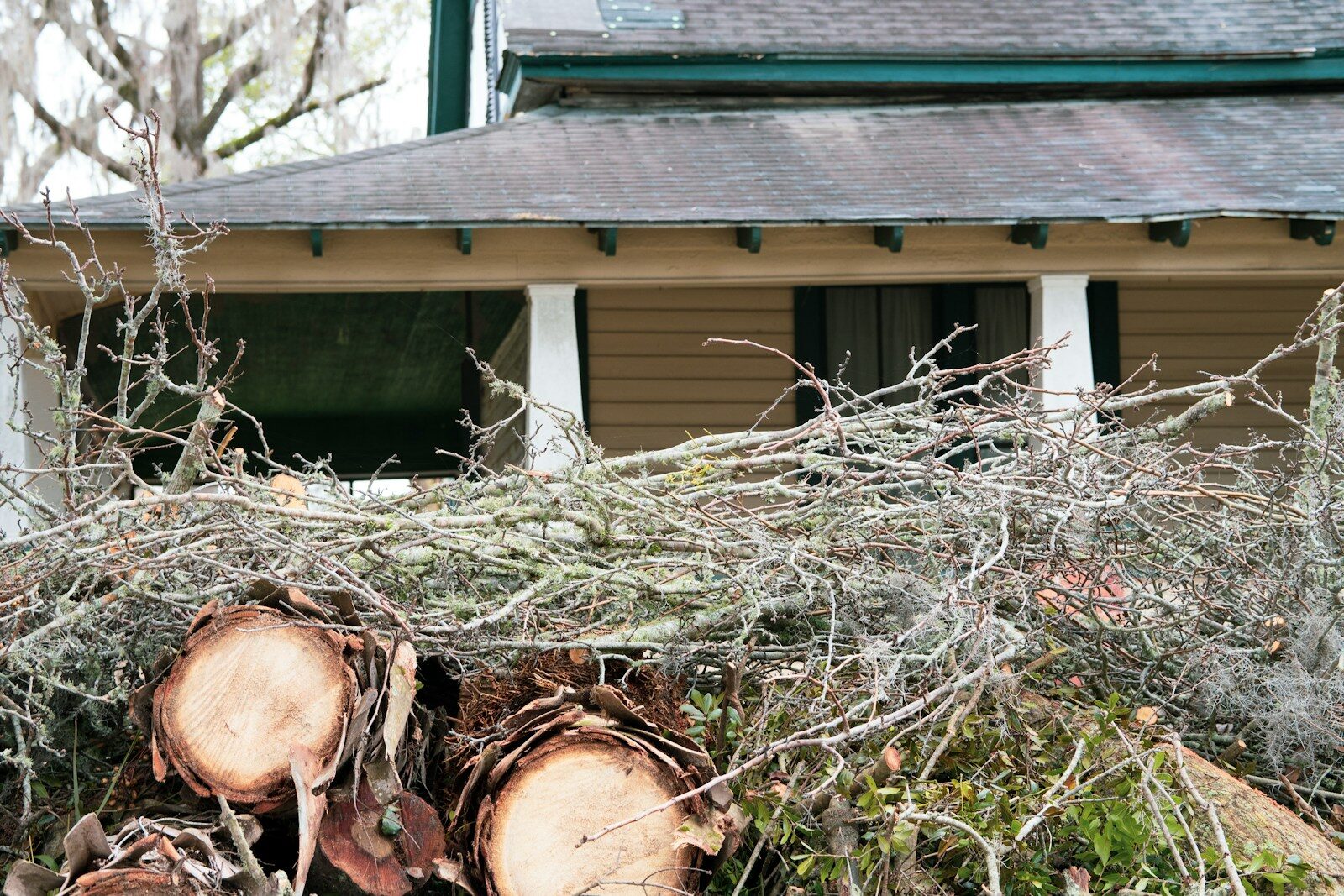
Does Your Policy Cover Fallen Trees or Landslides? What Blairsville Homeowners Should Know
A fallen tree caused by a storm or soil shifting after prolonged rain can result in extensive structural damage and costly repairs. While homeowners insurance may help absorb some of that financial impact, coverage for these events is not always included. It can vary widely depending on the cause, policy terms and extent of the damage.
Does Homeowners Insurance Cover Fallen Trees?
Fallen trees are a common concern for homeowners, especially after storms or heavy winds. In many cases, standard homeowners insurance policies may cover damage caused by a fallen tree if it results from a covered peril, such as wind, hail or lightning. This coverage typically applies to:
- Damage to your home or other structures, such as garages or sheds
- Personal belongings losses, including if a fallen tree breaks furniture or electronics
- Removal of the tree if it lands on a covered structure
However, if a tree falls due to neglect, disease or age, and not because of a covered event, your policy may not provide coverage. Additionally, if a tree falls without causing any property damage, removal costs are often not covered.
What About Landslides?
Landslides and earth movement present a different challenge. Most standard homeowners insurance policies exclude coverage for damage caused by earth movement, including landslides, earthquakes and sinkholes. This means that if your home is damaged or destroyed by a landslide, your policy likely will not pay for repairs or rebuilding.
Some insurers offer separate earth movement or landslide coverage as an add-on or through specialty policies. If you live in an area prone to these risks, it’s important to discuss your options with our team.
Learn More
If you have questions about coverage for fallen trees, landslides or other property risks, our team at Esquire Insurance Services of Georgia is here to help. Contact us today for a policy review or personalized advice.
This blog is intended for informational and educational use only. It is not exhaustive and should not be construed as legal advice. Please contact your insurance professional for further information.
Categories: Blog, Homeowners Insurance